Facial Masculinisation
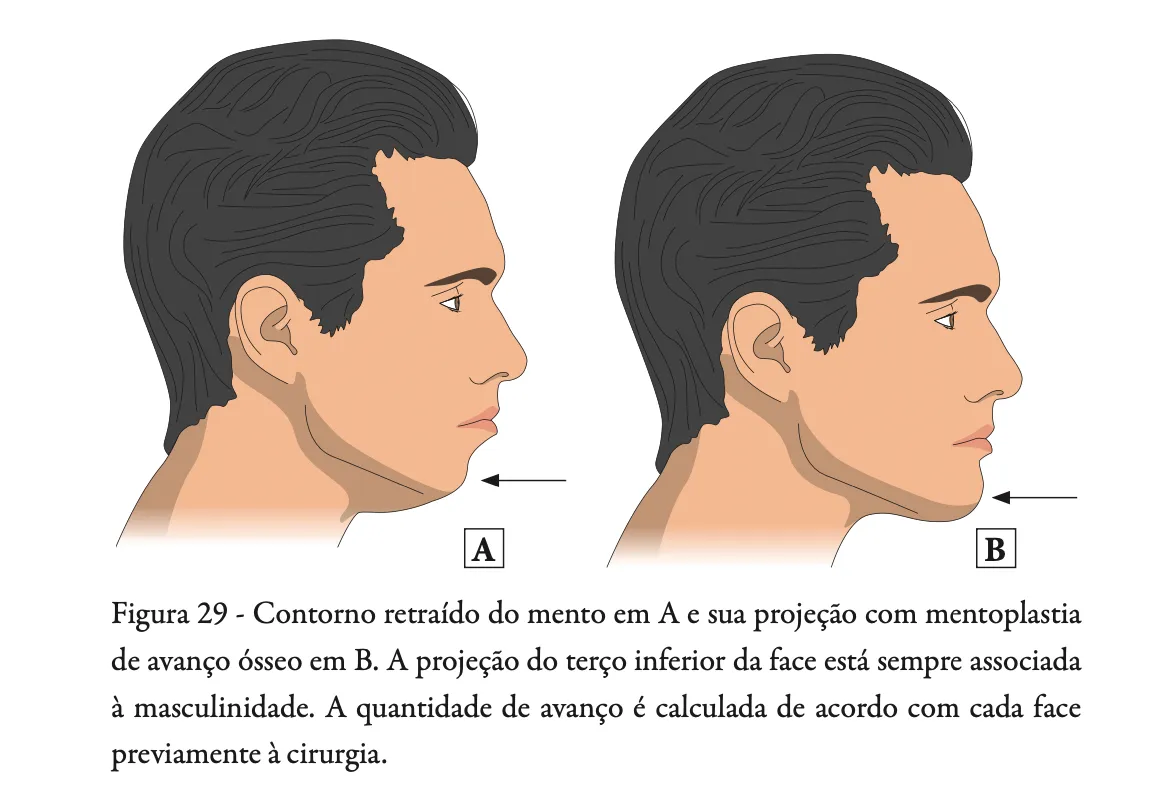
Facial masculinisation brings together surgical and non-surgical procedures to refine facial details in trans men. Testosterone is responsible for most facial changes, and these procedures complement its effect: genioplasty, facial implants and hyaluronic acid fillers. In genioplasty, the chin advancement is calculated using X-rays and cephalometry.
Testosterone can change the composition of the skin, stimulate hair growth, cause the hairline to recede (receding temples) in susceptible patients and increase facial bone apposition (widening the face).
Some trans men may choose surgical or non-surgical procedures to refine details that, taken together, can align their appearance more clearly with their gender.
Genioplasty
This is a straightforward skeletal technique that aims to bring the chin (the tip of the chin) forward through bone cuts and repositioning with a titanium miniplate and miniscrews. The amount of advancement, that is, how far the bone is moved, is calculated using X-ray studies and cephalometry, taking into account the position of the teeth as well as the relationship between the jaws and the face.
Facial Implants
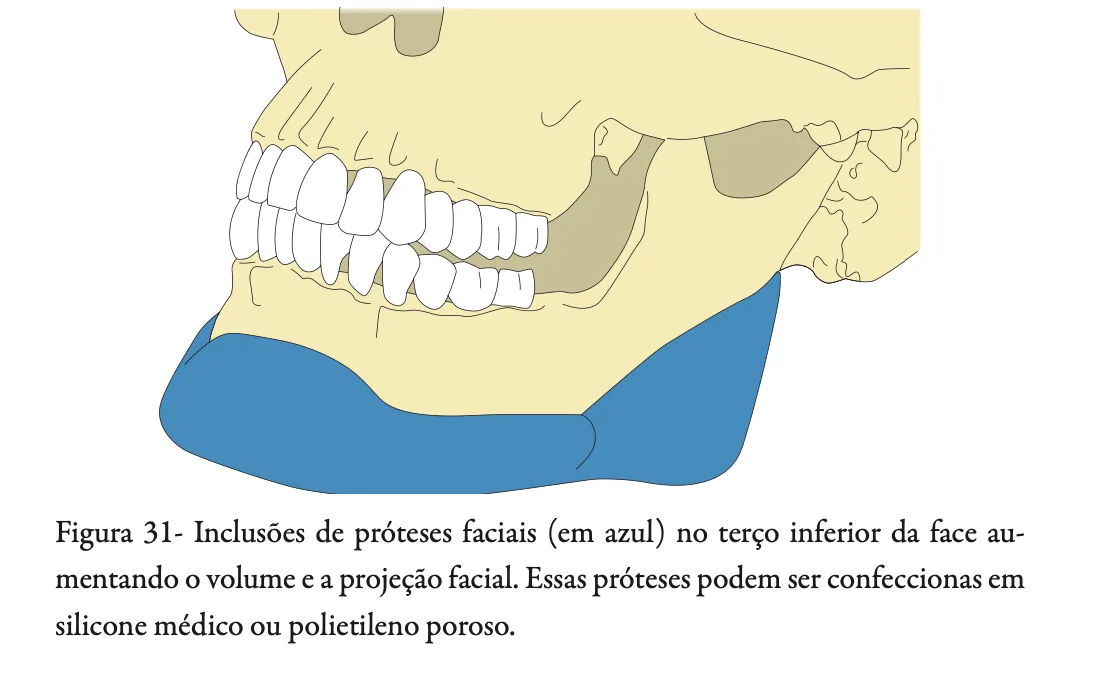
With the development of hyaluronic acid filler materials and techniques, facial implants are becoming less common. The technique involves surgery, usually through the inside of the mouth, to place implants made of porous polyethylene or medical-grade silicone that add projection to the angle of the jaw, the chin or the cheekbones. The disadvantages relate to the cost of the material, the risk of infection, the risk of displacement and the need for removal over time.
Facial Fillers
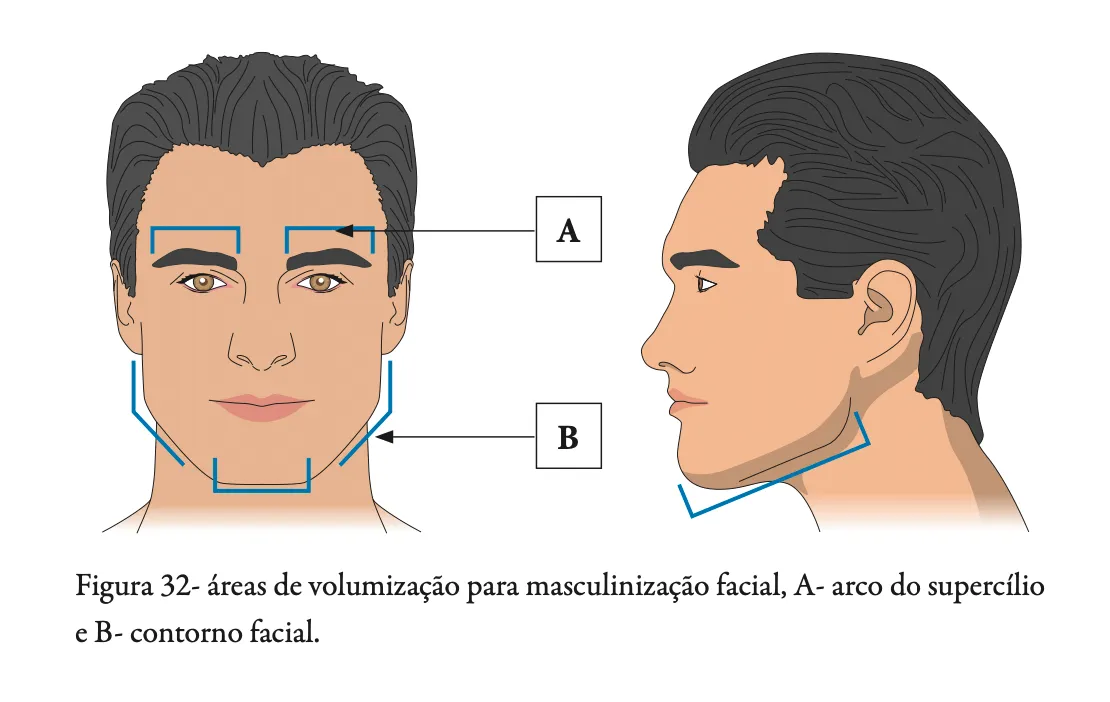
These techniques were created to correct folds, wrinkles and scars by injecting substances under the skin, into the subcutaneous tissue and into the muscles, reducing their depth. As filler materials and techniques developed, they began to be used for facial contouring, making it possible to change a patient's facial pattern. Hyaluronic acid is the main filler used today. We can create volume in specific areas to mimic bony prominences quickly and simply. The drawback is that the effect is not permanent and needs to be repeated at intervals that vary depending on where it was injected. Patients who need larger volume increases are better managed by combining fillers with fat grafting or bone repositioning techniques.
Frequently asked questions
Why is surgical facial masculinisation less common?
Because most of the changes that lead a face to be read as male come from testosterone, which changes the composition of the skin, stimulates hair growth, may cause the hairline to recede and increases facial bone apposition.
What is genioplasty?
It is a skeletal technique that brings the chin forward through bone cuts and repositioning with a titanium miniplate and miniscrews. The advancement is calculated using X-rays and cephalometry.
What are the disadvantages of facial implants?
The cost of the material, the risks of infection and displacement, and the need for removal over time.
Are hyaluronic acid fillers permanent?
The effect of fillers is not permanent and needs to be repeated at intervals that vary depending on the area treated. Larger volume increases are managed by combining fillers with fat grafting or with bone repositioning techniques.
Other procedures
Beginning Your Transition
First steps in gender transition: hormone therapy, psychotherapy, facial and body surgery, voice, and transition during adolescence.
Learn MoreSex Reassignment
Vaginoplasty by penile inversion, with peritoneum or with an intestinal segment, and robotic surgery in selected cases. Aims, techniques and indications.
Learn MoreFacial Feminisation
Facial feminisation: type I and type III forehead contouring, canthopexy, jaw and chin contouring, Adam's apple reduction and associated techniques.
Learn MoreGet in Touch
We are here to help you